
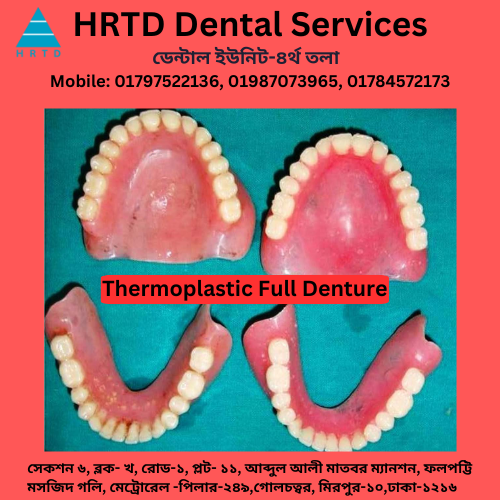
A Thermoplastic Full Denture is a type of removable dental prosthesis made from flexible, heat-sensitive materials such as nylon or polycarbonate. Unlike traditional acrylic dentures, Thermoplastic Full Dentures offer improved aesthetics, comfort, and durability.
One of the primary benefits of Thermoplastic Full Dentures is their flexibility and lightweight nature, making them more comfortable for patients. They also provide a more natural appearance due to their translucency, which allows them to blend seamlessly with the gums. Additionally, Thermoplastic Full Dentures are resistant to fractures and less prone to staining compared to conventional acrylic dentures.
Thermoplastic Full Dentures are also biocompatible and hypoallergenic, making them a great choice for patients with allergies or sensitivities to acrylic or metal. Their precision fit reduces the need for adhesives, ensuring a snug and secure placement.
However, Thermoplastic Full Dentures may be more challenging to adjust or repair compared to traditional dentures. They also require specialized fabrication techniques, which can make them more expensive than standard options.
Overall, Thermoplastic Full Dentures are an excellent choice for patients seeking aesthetic appeal, durability, and comfort. With proper care, they can provide a long-lasting and natural-looking solution for those in need of full dental restoration.
একটি থার্মোপ্লাস্টিক ফুল ডেন্টার হল এক ধরনের অপসারণযোগ্য দাঁতের কৃত্রিম কৃত্রিম যা নমনীয়, তাপ-সংবেদনশীল উপাদান যেমন নাইলন বা পলিকার্বোনেট থেকে তৈরি। প্রথাগত এক্রাইলিক দাঁতের থেকে ভিন্ন, থার্মোপ্লাস্টিক ডেনচার উন্নত নান্দনিকতা, আরাম এবং স্থায়িত্ব প্রদান করে।
থার্মোপ্লাস্টিক দাঁতের প্রাথমিক সুবিধাগুলির মধ্যে একটি হল তাদের নমনীয়তা এবং হালকা প্রকৃতি, যা রোগীদের জন্য আরও আরামদায়ক করে তোলে। তারা তাদের স্বচ্ছতার কারণে আরও প্রাকৃতিক চেহারা প্রদান করে, যা তাদের মাড়ির সাথে নির্বিঘ্নে মিশ্রিত করতে দেয়। অতিরিক্তভাবে, তারা ফ্র্যাকচার প্রতিরোধী এবং প্রচলিত এক্রাইলিক দাঁতের তুলনায় দাগ হওয়ার ঝুঁকি কম।
থার্মোপ্লাস্টিক ডেনচারগুলিও জৈব সামঞ্জস্যপূর্ণ এবং হাইপোঅ্যালার্জেনিক, যা এ্যাক্রিলিক বা ধাতুর প্রতি অ্যালার্জি বা সংবেদনশীল রোগীদের জন্য একটি দুর্দান্ত পছন্দ করে তোলে। তাদের নির্ভুল ফিট আঠালো জন্য প্রয়োজনীয়তা হ্রাস, একটি snug এবং নিরাপদ বসানো নিশ্চিত.

যাইহোক, ঐতিহ্যগত দাঁতের তুলনায় থার্মোপ্লাস্টিক ডেন্টারগুলি সামঞ্জস্য বা মেরামত করা আরও চ্যালেঞ্জিং হতে পারে। তাদের জন্য বিশেষ বানোয়াট কৌশলও প্রয়োজন, যা তাদেরকে মানক বিকল্পের চেয়ে বেশি ব্যয়বহুল করে তুলতে পারে।

সামগ্রিকভাবে, নান্দনিক আবেদন, স্থায়িত্ব এবং আরাম চাওয়া রোগীদের জন্য থার্মোপ্লাস্টিক ফুল ডেনচার একটি চমৎকার পছন্দ। সঠিক যত্ন সহ, তারা সম্পূর্ণ দাঁতের পুনরুদ্ধারের প্রয়োজন তাদের জন্য দীর্ঘস্থায়ী এবং প্রাকৃতিক-সুদর্শন সমাধান প্রদান করতে পারে।
Thermoplastic Full Denture Details:
A Thermoplastic Full Denture is a modern, flexible dental prosthesis made from advanced heat-sensitive materials such as nylon, polyether ether ketone (PEEK), or polycarbonate. These dentures offer a superior alternative to traditional acrylic dentures, providing improved aesthetics, comfort, and durability.
Key Features and Benefits
Flexibility and Comfort
A Thermoplastic Full Denture is lightweight and flexible, allowing for a more comfortable fit. Their adaptability to oral contours reduces irritation and pressure points, making them ideal for patients with sensitive gums.
Aesthetic Appeal
Unlike conventional acrylic dentures, Thermoplastic Full Dentures have a translucent quality, which helps them blend naturally with the gums. This provides a more lifelike and discreet appearance.
Durability and Strength
Thermoplastic Full Dentures are highly resistant to fractures and wear, making them more durable than traditional acrylic dentures. They are also less prone to staining and discoloration, ensuring a longer-lasting, clean appearance.
Biocompatibility and Hypoallergenic Properties
A Thermoplastic Full Denture is biocompatible and hypoallergenic, making it an excellent option for individuals with acrylic or metal allergies.
Secure Fit Without Adhesives
Due to their precision molding, Thermoplastic Full Dentures provide a snug and secure fit, often eliminating the need for adhesives.
Considerations and Limitations
- Difficult to Adjust or Repair – Unlike acrylic dentures, thermoplastic materials are harder to modify once fabricated.
- Cost – The specialized manufacturing process makes a Thermoplastic Full Denture more expensive than traditional options.
- Special Care Requirements – While they are durable, proper cleaning with non-abrasive solutions is essential to maintain their longevity.
A Thermoplastic Full Denture is an excellent choice for those seeking enhanced comfort, durability, and a natural appearance. With proper care, Thermoplastic Full Dentures provide a long-lasting, functional, and aesthetically pleasing solution for full-mouth restoration.
একটি থার্মোপ্লাস্টিক ফুল ডেন্টার হল একটি আধুনিক, নমনীয় ডেন্টাল প্রস্থেসিস যা উন্নত তাপ-সংবেদনশীল উপাদান যেমন নাইলন, পলিথার ইথার কিটোন (পিইইকে), বা পলিকার্বোনেট থেকে তৈরি। এই দাঁতগুলি ঐতিহ্যগত এক্রাইলিক দাঁতের একটি উচ্চতর বিকল্প অফার করে, উন্নত নান্দনিকতা, আরাম এবং স্থায়িত্ব প্রদান করে।

মূল বৈশিষ্ট্য এবং সুবিধা
নমনীয়তা এবং আরাম
থার্মোপ্লাস্টিক ডেন্টারগুলি হালকা ওজনের এবং নমনীয়, যা আরও আরামদায়ক ফিট করার অনুমতি দেয়। মৌখিক কনট্যুরগুলির সাথে তাদের অভিযোজন ক্ষমতা জ্বালা এবং চাপের পয়েন্টগুলি হ্রাস করে, যা সংবেদনশীল মাড়ির রোগীদের জন্য আদর্শ করে তোলে।

নান্দনিক আবেদন
প্রচলিত এক্রাইলিক ডেনচারের বিপরীতে, থার্মোপ্লাস্টিক উপাদানগুলির একটি স্বচ্ছ গুণ রয়েছে, যা তাদের মাড়ির সাথে প্রাকৃতিকভাবে মিশে যেতে সাহায্য করে। এটি আরও প্রাণবন্ত এবং বিচক্ষণ চেহারা প্রদান করে।

স্থায়িত্ব এবং শক্তি
এই ডেনচারগুলি ফ্র্যাকচার এবং পরিধানের জন্য অত্যন্ত প্রতিরোধী, এগুলিকে ঐতিহ্যবাহী এক্রাইলিক দাঁতের তুলনায় আরও টেকসই করে তোলে। এগুলি দাগ এবং বিবর্ণ হওয়ার প্রবণতা কম, দীর্ঘস্থায়ী, পরিষ্কার চেহারা নিশ্চিত করে।

বায়োকম্প্যাটিবিলিটি এবং হাইপোঅ্যালার্জেনিক বৈশিষ্ট্য
থার্মোপ্লাস্টিক উপাদানগুলি জৈব-সঙ্গতিপূর্ণ এবং হাইপোঅ্যালার্জেনিক, যা এক্রাইলিক বা ধাতব অ্যালার্জিযুক্ত ব্যক্তিদের জন্য একটি চমৎকার বিকল্প তৈরি করে।
আঠালো ছাড়া নিরাপদ ফিট
তাদের নির্ভুল ছাঁচনির্মাণের কারণে, থার্মোপ্লাস্টিক ডেনচারগুলি একটি স্নাগ এবং নিরাপদ ফিট প্রদান করে, প্রায়শই আঠালোর প্রয়োজনীয়তা দূর করে।

বিবেচনা এবং সীমাবদ্ধতা
সামঞ্জস্য করা বা মেরামত করা কঠিন - এক্রাইলিক ডেনচারের বিপরীতে, থার্মোপ্লাস্টিক উপকরণগুলি একবার গড়া হয়ে গেলে পরিবর্তন করা কঠিন।
খরচ - বিশেষায়িত উত্পাদন প্রক্রিয়া ঐতিহ্যগত বিকল্পগুলির তুলনায় থার্মোপ্লাস্টিক ডেনচারকে আরও ব্যয়বহুল করে তোলে।
বিশেষ যত্নের প্রয়োজনীয়তা - যদিও তারা টেকসই হয়, তাদের দীর্ঘায়ু বজায় রাখার জন্য নন-ঘষানো সমাধান দিয়ে সঠিক পরিষ্কার করা অপরিহার্য।
উপসংহার
থার্মোপ্লাস্টিক ফুল ডেনচার যারা বর্ধিত আরাম, স্থায়িত্ব এবং প্রাকৃতিক চেহারা চায় তাদের জন্য একটি চমৎকার পছন্দ। সঠিক যত্ন সহ, তারা পূর্ণ-মুখ পুনরুদ্ধারের জন্য দীর্ঘস্থায়ী, কার্যকরী এবং নান্দনিকভাবে আনন্দদায়ক সমাধান প্রদান করে।
Location of Thermoplastic Full Denture:
HRTD Dental Services মিরপুর-১০ গোলচত্ত্বর সংলগ্ন মেট্রোরেল পিলার নং ২৪৯ এর পাশে অবস্থিত। ঠিকানা: আব্দুল আলী মাদবর ম্যানশন, সেকশন-৬, ব্লক-খ, রোড-১, প্লট-১১, মিরপুর-১০, ঢাকা-১২১৬। যোগাযোগের জন্য মোবাইল নম্বর: ০১৯৮৭-০৭৩৯৬৫, ০১৭৯৭-৫২২১৩৬। এখানে থার্মোপ্লাস্টিক ফুল ডেনচার সহ বিভিন্ন ডেন্টাল সেবা প্রদান করা হয়।
What is Thermoplastic?
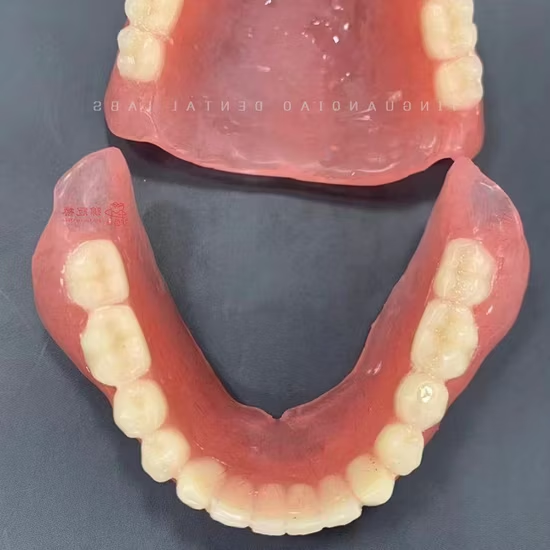
A Thermoplastic Full Denture is made from a thermoplastic material, which is a type of polymer that becomes soft and moldable when heated and hardens upon cooling. This process is reversible, meaning thermoplastics can be reshaped multiple times without significant chemical changes. They are widely used in various industries, including dentistry, packaging, automotive, and electronics.
Characteristics of Thermoplastics:
- Heat Sensitivity – Becomes flexible when heated and solidifies when cooled.
- Recyclability – Can be melted and reformed multiple times.
- Durability – Resistant to impact, wear, and environmental factors.
- Lightweight – Often lighter than metals and other materials.
Common Types of Thermoplastics:
- Acrylic – Used in dental prosthetics and display signs.
- Polyethylene (PE) – Found in packaging materials and plastic bags.
- Polypropylene (PP) – Used in medical devices and automotive parts.
- Polyvinyl Chloride (PVC) – Used in pipes, cables, and flooring.
- Nylon – Commonly used in textiles and mechanical parts.
Use in Dentistry:
In dentistry, thermoplastic materials are widely used for Thermoplastic Full Dentures, partial dentures, retainers, and mouthguards due to their biocompatibility, comfort, and durability. A Thermoplastic Full Denture, like Valplast or TCS flexible dentures, provides a more natural feel and improved aesthetics compared to traditional acrylic dentures.
Characteristics of Thermoplastics:
- Heat Sensitivity – Becomes flexible when heated and solidifies when cooled.
- Recyclability – Can be melted and reformed multiple times.
- Durability – Resistant to impact, wear, and environmental factors.
- Lightweight – Often lighter than metals and other materials.
Common Types of Thermoplastics:
- Acrylic – Used in dental prosthetics and display signs.
- Polyethylene (PE) – Found in packaging materials and plastic bags.
- Polypropylene (PP) – Used in medical devices and automotive parts.
- Polyvinyl Chloride (PVC) – Used in pipes, cables, and flooring.
- Nylon – Commonly used in textiles and mechanical parts.
Use in Dentistry:
In dentistry, thermoplastic materials are used for full dentures, partial dentures, retainers, and mouthguards due to their biocompatibility, comfort, and durability. Thermoplastic dentures, like Valplast or TCS flexible dentures, provide a more natural feel and improved aesthetics compared to traditional acrylic dentures.
থার্মোপ্লাস্টিক হল এক ধরনের পলিমার উপাদান যা উত্তপ্ত হলে নরম এবং মোল্ডেবল হয়ে যায় এবং ঠান্ডা হলে শক্ত হয়ে যায়। এই প্রক্রিয়াটি বিপরীতমুখী, যার অর্থ থার্মোপ্লাস্টিকগুলি উল্লেখযোগ্য রাসায়নিক পরিবর্তন ছাড়াই একাধিকবার পুনরায় আকার দেওয়া যেতে পারে। এগুলি দন্তচিকিৎসা, প্যাকেজিং, স্বয়ংচালিত এবং ইলেকট্রনিক্স সহ বিভিন্ন শিল্পে ব্যাপকভাবে ব্যবহৃত হয়।

থার্মোপ্লাস্টিকের বৈশিষ্ট্য:
তাপ সংবেদনশীলতা - উত্তপ্ত হলে নমনীয় হয়ে ওঠে এবং ঠান্ডা হলে দৃঢ় হয়।
পুনর্ব্যবহারযোগ্যতা - একাধিকবার গলিত এবং সংস্কার করা যেতে পারে।
স্থায়িত্ব - প্রভাব, পরিধান এবং পরিবেশগত কারণগুলির প্রতিরোধী।
লাইটওয়েট - প্রায়শই ধাতু এবং অন্যান্য উপকরণের চেয়ে হালকা।
থার্মোপ্লাস্টিকের সাধারণ প্রকার:
এক্রাইলিক - ডেন্টাল প্রস্থেটিক্স এবং ডিসপ্লে চিহ্নগুলিতে ব্যবহৃত হয়।
পলিথিন (PE) - প্যাকেজিং উপকরণ এবং প্লাস্টিকের ব্যাগে পাওয়া যায়।
পলিপ্রোপিলিন (পিপি) - মেডিকেল ডিভাইস এবং স্বয়ংচালিত অংশে ব্যবহৃত হয়।
পলিভিনাইল ক্লোরাইড (পিভিসি) - পাইপ, তার এবং মেঝেতে ব্যবহৃত হয়।
নাইলন - সাধারণত টেক্সটাইল এবং যান্ত্রিক অংশে ব্যবহৃত হয়।
দন্তচিকিৎসায় ব্যবহার করুন:
দন্তচিকিৎসায়, থার্মোপ্লাস্টিক উপকরণগুলি তাদের জৈব-সামঞ্জস্যতা, আরাম এবং স্থায়িত্বের কারণে সম্পূর্ণ দাঁত, আংশিক দাঁত, ধারক এবং মাউথগার্ডের জন্য ব্যবহৃত হয়। থার্মোপ্লাস্টিক ডেনচার, যেমন ভালপ্লাস্ট বা টিসিএস নমনীয় ডেনচার, ঐতিহ্যগত এক্রাইলিক দাঁতের তুলনায় আরও প্রাকৃতিক অনুভূতি এবং উন্নত নান্দনিকতা প্রদান করে।
Advantage of Thermoplastic Full Denture:
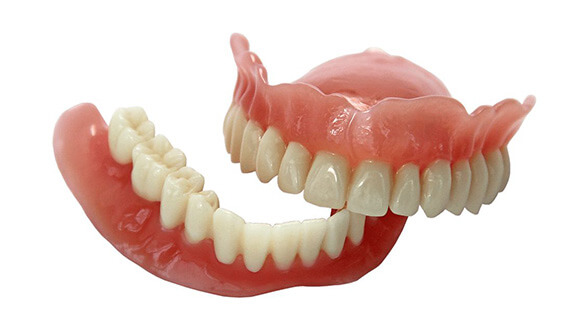
Thermoplastic full dentures are an advanced alternative to conventional acrylic dentures, offering numerous advantages in terms of comfort, aesthetics, durability, and overall functionality. These dentures are made from flexible, biocompatible thermoplastic materials such as nylon, polycarbonate, or polyether ether ketone (PEEK), which provide a superior experience for denture wearers.
1. Enhanced Comfort and Fit
One of the key benefits of thermoplastic dentures is their flexibility, which allows for a snug and comfortable fit. Unlike traditional acrylic dentures, which can feel rigid and uncomfortable, thermoplastic dentures adapt to the contours of the mouth, reducing the likelihood of sore spots or irritation.
2. Superior Aesthetics
Thermoplastic materials offer a more natural appearance compared to conventional dentures. They are available in various shades to match the natural gum color, making them less noticeable. Additionally, the absence of metal clasps enhances their aesthetic appeal, making them ideal for patients who prioritize a natural look.
3. Durability and Fracture Resistance
Unlike acrylic dentures, which are prone to breakage, thermoplastic dentures are highly durable and resistant to fractures. Their flexible nature allows them to withstand greater stress without cracking, making them a long-lasting solution for edentulous patients.
4. Lightweight and Non-Allergenic
Thermoplastic dentures are lighter than traditional acrylic dentures, making them easier to wear for extended periods. Additionally, they are hypoallergenic, making them suitable for individuals with sensitivities or allergies to acrylic resins.
5. Minimal Absorption of Stains and Odors
The non-porous nature of thermoplastic materials prevents the absorption of stains, odors, and bacteria, ensuring better hygiene and easier maintenance. This feature helps in maintaining oral health and prolonging the denture’s lifespan.
Conclusion
Thermoplastic full dentures provide significant advantages over conventional acrylic dentures, including enhanced comfort, aesthetics, durability, and biocompatibility. Their flexibility and resilience make them an excellent choice for denture wearers seeking a long-lasting and comfortable solution.
থার্মোপ্লাস্টিক ফুল ডেনচার হল প্রচলিত এক্রাইলিক ডেনচারের একটি উন্নত বিকল্প, যা আরাম, নান্দনিকতা, স্থায়িত্ব এবং সামগ্রিক কার্যকারিতার ক্ষেত্রে অসংখ্য সুবিধা প্রদান করে। এই দাঁতগুলি নমনীয়, বায়োকম্প্যাটিবল থার্মোপ্লাস্টিক উপাদান যেমন নাইলন, পলিকার্বোনেট বা পলিথার ইথার কিটোন (পিইইকে) থেকে তৈরি করা হয়, যা দাঁতের পরিধানকারীদের জন্য একটি উচ্চতর অভিজ্ঞতা প্রদান করে।

1. বর্ধিত আরাম এবং ফিট
থার্মোপ্লাস্টিক দাঁতের প্রধান সুবিধাগুলির মধ্যে একটি হল তাদের নমনীয়তা, যা একটি স্নাগ এবং আরামদায়ক ফিট করার অনুমতি দেয়। প্রথাগত এক্রাইলিক ডেনচারের বিপরীতে, যা অনমনীয় এবং অস্বস্তিকর বোধ করতে পারে, থার্মোপ্লাস্টিক দাঁত মুখের আকৃতির সাথে খাপ খাইয়ে নেয়, যা ঘা বা জ্বালা হওয়ার সম্ভাবনা কমায়।

2. উচ্চতর নান্দনিকতা
থার্মোপ্লাস্টিক উপকরণগুলি প্রচলিত দাঁতের তুলনায় আরও প্রাকৃতিক চেহারা প্রদান করে। এগুলি প্রাকৃতিক আঠার রঙের সাথে মেলে বিভিন্ন শেডগুলিতে পাওয়া যায়, তাদের কম লক্ষণীয় করে তোলে। উপরন্তু, ধাতব ক্ল্যাপসের অনুপস্থিতি তাদের নান্দনিক আবেদন বাড়ায়, যা তাদের রোগীদের জন্য আদর্শ করে তোলে যারা প্রাকৃতিক চেহারাকে অগ্রাধিকার দেয়।

3. স্থায়িত্ব এবং ফ্র্যাকচার প্রতিরোধের
এক্রাইলিক ডেনচারের বিপরীতে, যা ভাঙার প্রবণ, থার্মোপ্লাস্টিক ডেনচারগুলি অত্যন্ত টেকসই এবং ফ্র্যাকচার প্রতিরোধী। তাদের নমনীয় প্রকৃতি তাদের ক্র্যাকিং ছাড়াই বৃহত্তর চাপ সহ্য করার অনুমতি দেয়, যা তাদের অন্তঃসত্ত্বা রোগীদের জন্য দীর্ঘস্থায়ী সমাধান করে তোলে।
লাইটওয়েট এবং অ-অ্যালার্জেনিক
থার্মোপ্লাস্টিক ডেনচারগুলি ঐতিহ্যবাহী এক্রাইলিক ডেনচারের তুলনায় হালকা হয়, যা তাদের দীর্ঘ সময়ের জন্য পরা সহজ করে তোলে। উপরন্তু, এগুলি হাইপোঅ্যালার্জেনিক, যা এক্রাইলিক রেজিনের প্রতি সংবেদনশীলতা বা অ্যালার্জিযুক্ত ব্যক্তিদের জন্য উপযুক্ত করে তোলে।

5. দাগ এবং গন্ধের ন্যূনতম শোষণ
থার্মোপ্লাস্টিক পদার্থের অ-ছিদ্রযুক্ত প্রকৃতি দাগ, গন্ধ এবং ব্যাকটেরিয়া শোষণে বাধা দেয়, আরও ভাল স্বাস্থ্যবিধি এবং সহজ রক্ষণাবেক্ষণ নিশ্চিত করে। এই বৈশিষ্ট্যটি মৌখিক স্বাস্থ্য বজায় রাখতে এবং দাঁতের জীবনকাল দীর্ঘায়িত করতে সহায়তা করে।

উপসংহার
থার্মোপ্লাস্টিক ফুল ডেঞ্চারগুলি প্রচলিত এক্রাইলিক দাঁতের তুলনায় উল্লেখযোগ্য সুবিধা প্রদান করে, যার মধ্যে উন্নত আরাম, নান্দনিকতা, স্থায়িত্ব এবং জৈব-সামঞ্জস্যতা রয়েছে। তাদের নমনীয়তা এবং স্থিতিস্থাপকতা তাদের দীর্ঘস্থায়ী এবং আরামদায়ক সমাধান খুঁজছেন দাঁতের পরিধানকারীদের জন্য একটি চমৎকার পছন্দ করে তোলে।
Disadvantage of Thermoplastic Full Denture:
Thermoplastic full dentures, though offering benefits such as flexibility, improved aesthetics, and metal-free composition, come with several disadvantages that may impact their long-term usability and patient satisfaction.
1. Cost and Fabrication Challenges
Thermoplastic dentures are generally more expensive than traditional acrylic dentures. The material and specialized equipment required for fabrication increase production costs, making them less affordable for some patients. Additionally, fabricating these dentures requires advanced techniques and training, limiting availability in some dental clinics.
2. Adjustment and Repair Difficulties
Unlike conventional acrylic dentures, thermoplastic materials are challenging to adjust and repair. They lack the ability to be relined or rebased easily, meaning that if a denture loses its fit due to gum resorption or other factors, a new denture may be required. This increases the long-term cost and inconvenience for patients.
3. Limited Bonding and Retention Issues
Thermoplastic dentures do not bond well with traditional denture adhesives, making modifications difficult. The material’s flexibility can sometimes reduce stability, leading to issues with retention, especially in cases where the patient has extensive alveolar ridge resorption.
4. Deformation Under High Temperatures
Thermoplastic materials can deform when exposed to high temperatures. If improperly handled during cleaning, such as using boiling water or excessive heat, the denture may lose its shape, rendering it unusable.
5. Potential for Staining and Odor Retention
Some thermoplastic materials are more porous than traditional acrylic, making them prone to absorbing stains and odors over time. This can lead to hygiene concerns and the need for frequent maintenance.
Despite these disadvantages, thermoplastic dentures remain a viable option for patients seeking metal-free, flexible, and aesthetic dental prosthetics. However, careful consideration of their limitations is essential before making a decision.
Price of Thermoplastic Full Denture
Why Thermoplastic Full Denture is Comfortable?
Thermoplastic full dentures are gaining popularity due to their exceptional comfort, durability, and aesthetic appeal. Unlike traditional acrylic dentures, which can feel rigid and bulky, thermoplastic dentures offer flexibility, lightweight properties, and a better fit, making them a preferred choice for many denture wearers.
One of the primary reasons for their comfort is their flexibility. Thermoplastic materials, such as nylon or polyamide, adapt to the shape of the gums and oral tissues more effectively than conventional acrylic dentures. This adaptability minimizes pressure points and reduces irritation, ensuring a snug and comfortable fit.
Another key factor is their lightweight nature. Traditional dentures, especially those made from acrylic with metal reinforcements, can feel heavy in the mouth. In contrast, thermoplastic dentures are much lighter, reducing the strain on the gums and making them easier to wear for extended periods.
Additionally, thermoplastic dentures are designed with a more precise fit. Their ability to conform closely to the oral structure reduces movement and slipping, which is common with traditional dentures. This stability not only enhances comfort but also improves speech and chewing efficiency.
Furthermore, thermoplastic materials are hypoallergenic, making them an excellent option for individuals with allergies or sensitivities to traditional denture materials. The smooth, non-porous surface also resists bacterial buildup, reducing the risk of infections and unpleasant odors.
Finally, the aesthetic appeal of thermoplastic dentures adds to their comfort. Their translucent and natural-looking material blends seamlessly with the gums, providing wearers with confidence and peace of mind.
In conclusion, thermoplastic full dentures offer superior comfort due to their flexibility, lightweight design, precise fit, hypoallergenic properties, and natural appearance. These advantages make them a highly comfortable and practical choice for individuals seeking long-term denture solutions.
Why Thermoplastic Full Denture is Beautiful?
Thermoplastic full dentures are not only comfortable but also aesthetically superior to traditional acrylic dentures. Their beauty lies in their natural appearance, seamless fit, and high-quality material, making them an excellent choice for individuals who want a confident and attractive smile.
One of the most striking features of thermoplastic dentures is their translucency. Unlike conventional acrylic dentures, which may have an opaque or artificial look, thermoplastic dentures mimic the natural appearance of gum tissue. The translucent material allows light to pass through, creating a more lifelike and realistic effect that blends naturally with the surrounding oral structures.
Another reason for their beauty is the absence of metal clasps or reinforcements. Many traditional dentures, particularly partial ones, require visible metal clasps for stability, which can detract from their appearance. Thermoplastic dentures, on the other hand, are designed to be self-supporting and flexible, eliminating the need for unsightly metal parts and enhancing the overall aesthetic.
The customized fit of thermoplastic dentures also contributes to their beauty. Because they are made using advanced digital scanning and molding techniques, they conform precisely to the patient’s gums and teeth, ensuring a seamless and natural look. This precise fit minimizes gaps, enhances comfort, and prevents the dentures from looking bulky or artificial.
Additionally, thermoplastic dentures resist staining and discoloration better than traditional materials. Their non-porous surface prevents the absorption of food pigments, ensuring that the dentures maintain their original shade and luster for a longer time.
In conclusion, thermoplastic full dentures are beautiful due to their natural translucency, metal-free design, precise fit, and stain-resistant properties. These factors make them an excellent choice for individuals seeking both functionality and an attractive, confident smile.
থার্মোপ্লাস্টিক পূর্ণাঙ্গ দাঁতের ব্যবহার কেবল আরামদায়কই নয়, বরং ঐতিহ্যবাহী অ্যাক্রিলিক দাঁতের তুলনায় নান্দনিকভাবেও উন্নত। তাদের সৌন্দর্য তাদের প্রাকৃতিক চেহারা, মসৃণ ফিট এবং উচ্চমানের উপাদানের মধ্যে নিহিত, যা আত্মবিশ্বাসী এবং আকর্ষণীয় হাসি চাওয়া ব্যক্তিদের জন্য এগুলিকে একটি চমৎকার পছন্দ করে তোলে।

থার্মোপ্লাস্টিক দাঁতের সবচেয়ে আকর্ষণীয় বৈশিষ্ট্যগুলির মধ্যে একটি হল তাদের স্বচ্ছতা। প্রচলিত অ্যাক্রিলিক দাঁতের বিপরীতে, যার চেহারা অস্বচ্ছ বা কৃত্রিম হতে পারে, থার্মোপ্লাস্টিক দাঁতের ব্যবহার মাড়ির টিস্যুর প্রাকৃতিক চেহারা অনুকরণ করে। স্বচ্ছ উপাদান আলোকে অতিক্রম করতে দেয়, যা আরও প্রাণবন্ত এবং বাস্তবসম্মত প্রভাব তৈরি করে যা আশেপাশের মৌখিক কাঠামোর সাথে প্রাকৃতিকভাবে মিশে যায়।

তাদের সৌন্দর্যের আরেকটি কারণ হল ধাতব ক্ল্যাপ বা শক্তিবৃদ্ধির অনুপস্থিতি। অনেক ঐতিহ্যবাহী দাঁতের, বিশেষ করে আংশিক দাঁতের, স্থিতিশীলতার জন্য দৃশ্যমান ধাতব ক্ল্যাপের প্রয়োজন হয়, যা তাদের চেহারাকে বিকৃত করতে পারে। অন্যদিকে, থার্মোপ্লাস্টিক দাঁতের ব্যবহার স্ব-সহায়ক এবং নমনীয় হওয়ার জন্য ডিজাইন করা হয়েছে, যা কুৎসিত ধাতব অংশের প্রয়োজনীয়তা দূর করে এবং সামগ্রিক নান্দনিকতা বৃদ্ধি করে।
থার্মোপ্লাস্টিক ডেনচারের কাস্টমাইজড ফিটও তাদের সৌন্দর্য বৃদ্ধিতে অবদান রাখে। উন্নত ডিজিটাল স্ক্যানিং এবং মোল্ডিং কৌশল ব্যবহার করে তৈরি করা হয় বলে, এগুলি রোগীর মাড়ি এবং দাঁতের সাথে অবিকল মানানসই, যা একটি মসৃণ এবং প্রাকৃতিক চেহারা নিশ্চিত করে। এই সুনির্দিষ্ট ফিট ফাঁক কমিয়ে দেয়, আরাম বাড়ায় এবং ডেনচারগুলিকে ভারী বা কৃত্রিম দেখা থেকে বিরত রাখে।

এছাড়াও, থার্মোপ্লাস্টিক ডেনচারগুলি ঐতিহ্যবাহী উপকরণের তুলনায় দাগ এবং বিবর্ণতা প্রতিরোধ করে। তাদের অ-ছিদ্রযুক্ত পৃষ্ঠ খাদ্য রঙ্গক শোষণকে বাধা দেয়, যা নিশ্চিত করে যে ডেনচারগুলি দীর্ঘ সময়ের জন্য তাদের আসল রঙ এবং দীপ্তি বজায় রাখে।

উপসংহারে, থার্মোপ্লাস্টিক পূর্ণ ডেনচারগুলি তাদের প্রাকৃতিক স্বচ্ছতা, ধাতু-মুক্ত নকশা, সুনির্দিষ্ট ফিট এবং দাগ-প্রতিরোধী বৈশিষ্ট্যের কারণে সুন্দর। এই কারণগুলি কার্যকারিতা এবং একটি আকর্ষণীয়, আত্মবিশ্বাসী হাসি উভয়ই খুঁজছেন এমন ব্যক্তিদের জন্য এগুলিকে একটি দুর্দান্ত পছন্দ করে তোলে।
