
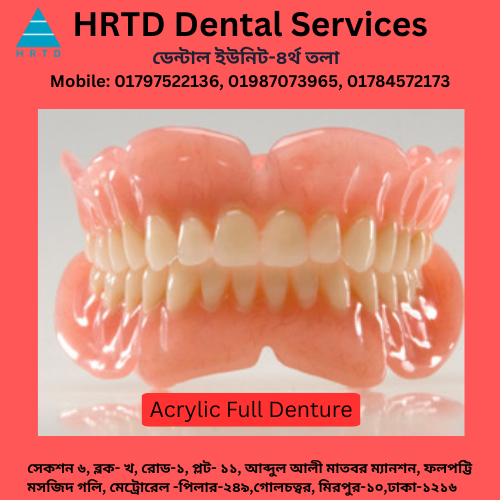
An Acrylic Full Denture is a complete set of artificial teeth made primarily from acrylic resin. It is used for individuals who have lost all their natural teeth in either the upper (maxillary) or lower (mandibular) jaw, or both.
Features of Acrylic Full Denture
Tooth loss is a common yet complex dental issue that not only affects facial aesthetics but also impacts chewing, speaking, and overall confidence. To solve this problem, Acrylic Full Denture is a widely used and popular solution. When all teeth in the mouth are lost, this acts as a complete artificial replacement. Due to its availability, affordability, and comfortable usability, it is highly accepted among patients. Below are the key features of acrylic full dentures explained in detail:
1. Complete Replacement for Missing Teeth
When all teeth in the mouth are lost, acrylic full dentures are used as a complete replacement. They are designed as a full set for either the upper jaw or lower jaw. Therefore, for those who have lost all teeth in one or both jaws, this is an effective solution.
2. Made from Acrylic Material
This type of denture is mainly made from high-quality acrylic resin. Acrylic resin is lightweight, durable, and easy to mold, which allows it to be customized according to the shape of the patient’s mouth. Its color closely matches natural teeth, making the denture look very realistic.
3. Lightweight and Comfortable
Acrylic dentures are very light, so they don’t feel heavy inside the mouth. Initially, there may be some discomfort, but most patients adapt within a few days. They are designed to fit the gums properly and avoid creating excessive pressure during use.
4. Customized Design and Proper Fitting
Acrylic full dentures are custom-made for each patient. The dentist takes an accurate impression of the gums to ensure a perfect fit. Because of this proper fitting, the dentures stay stable and do not move easily, which provides comfort while eating and speaking.
5. Affordable and Easily Available
One of the biggest advantages of acrylic full dentures is their relatively low cost. Compared to other options like implants or zirconia dentures, these are much more affordable. Therefore, they are an ideal choice for patients looking for a budget-friendly solution.
6. Easy to Repair and Adjust
If an acrylic denture is damaged or needs fitting adjustments, it can be easily repaired or modified. Over time, gum structure may change, requiring relining or rebasing. This process is simpler and more cost-effective compared to some other types of dentures.
7. Provides a Natural Look
Acrylic full dentures are designed to closely resemble natural teeth. The shape, size, and color of the artificial teeth are customized so the patient can smile confidently and maintain a natural appearance.
8. Easy to Maintain but Essential
They are easy to clean, but proper care is essential. If not cleaned regularly, there is a risk of bad breath or bacterial infection. Therefore, daily brushing, rinsing with water, and using denture cleaning solutions when necessary are important.
9. Durable but Not Permanent
Although acrylic full dentures are long-lasting, they are not a permanent solution. With proper care, they can last for 5 to 7 years. However, the material may wear down over time, requiring a replacement.
10. Requires Adjustment Period
Initially, patients may experience discomfort, difficulty speaking, or eating issues. However, most patients adapt to the dentures within a few weeks.
অ্যাক্রেলিক ফুল ডেনচারের বৈশিষ্ট্য
দাঁত হারানো একটি সাধারণ কিন্তু জটিল ডেন্টাল সমস্যা, যা শুধু মুখের সৌন্দর্যকেই নষ্ট করে না, বরং চিবানো, কথা বলা এবং সামগ্রিক আত্মবিশ্বাসেও প্রভাব ফেলে। এই সমস্যার সমাধানে অ্যাক্রেলিক ফুল ডেনচার (Acrylic Full Denture) একটি বহুল ব্যবহৃত এবং জনপ্রিয় সমাধান। মুখে সমস্ত দাঁত হারিয়ে গেলে এটি সম্পূর্ণ কৃত্রিম দাঁতের বিকল্প হিসেবে ব্যবহার করা হয়। সহজলভ্যতা, সাশ্রয়ী খরচ এবং আরামদায়ক ব্যবহারযোগ্যতার কারণে এটি রোগীদের মধ্যে ব্যাপকভাবে গ্রহণযোগ্য। নিচে অ্যাক্রেলিক ফুল ডেনচারের প্রধান বৈশিষ্ট্যগুলো বিস্তারিতভাবে আলোচনা করা হলো।
১. সম্পূর্ণ দাঁতের বিকল্প সমাধান
অ্যাক্রেলিক ফুল ডেনচার মুখে যখন সব দাঁত হারিয়ে যায়, তখন এটি পুরো দাঁতের বিকল্প হিসেবে ব্যবহৃত হয়। এটি উপরের (Upper Jaw) বা নিচের (Lower Jaw) চোয়ালের জন্য সম্পূর্ণ সেট হিসেবে তৈরি করা হয়। ফলে যারা এক বা দুই চোয়ালের সব দাঁত হারিয়েছেন, তাদের জন্য এটি একটি কার্যকর সমাধান।
২. অ্যাক্রেলিক উপাদান দ্বারা তৈরি
এই ধরনের ডেনচার মূলত উচ্চমানের অ্যাক্রেলিক রেজিন (Acrylic Resin) দ্বারা তৈরি করা হয়। অ্যাক্রেলিক রেজিন হালকা, মজবুত এবং সহজে গঠনযোগ্য, যার ফলে এটি রোগীর মুখের আকার অনুযায়ী কাস্টমাইজ করা যায়। এছাড়াও এর রঙ প্রাকৃতিক দাঁতের রঙের কাছাকাছি হওয়ায় এটি দেখতে বেশ স্বাভাবিক লাগে।
৩. হালকা ও আরামদায়ক
অ্যাক্রেলিক ডেনচার খুব হালকা হওয়ায় মুখে ভারী লাগে না। প্রথমদিকে কিছুটা অস্বস্তি হতে পারে, কিন্তু কিছুদিনের মধ্যে রোগী এতে অভ্যস্ত হয়ে যায়। এটি এমনভাবে ডিজাইন করা হয় যাতে মাড়ির সাথে ভালোভাবে ফিট হয় এবং ব্যবহারের সময় কোনো তীব্র চাপ সৃষ্টি না করে।
৪. কাস্টমাইজড ডিজাইন ও সঠিক ফিটিং
অ্যাক্রেলিক ফুল ডেনচার প্রতিটি রোগীর জন্য আলাদাভাবে তৈরি করা হয়। ডেন্টিস্ট মাড়ির সঠিক ইমপ্রেশন নিয়ে ডেনচার প্রস্তুত করেন, ফলে এটি মুখের সাথে সঠিকভাবে ফিট হয়। সঠিক ফিটিংয়ের কারণে এটি সহজে নড়াচড়া করে না, যা খাওয়া ও কথা বলার সময় আরাম দেয়।
৫. সাশ্রয়ী ও সহজলভ্য
অ্যাক্রেলিক ফুল ডেনচারের সবচেয়ে বড় সুবিধাগুলোর একটি হলো এর খরচ তুলনামূলকভাবে কম। অন্যান্য বিকল্প যেমন ইমপ্ল্যান্ট বা জিরকোনিয়া ডেনচারের তুলনায় এটি অনেক সাশ্রয়ী। তাই যারা সীমিত বাজেটে সমাধান খুঁজছেন, তাদের জন্য এটি একটি উপযুক্ত অপশন।
৬. সহজে রিপেয়ার ও অ্যাডজাস্ট করা যায়
অ্যাক্রেলিক ডেনচার ক্ষতিগ্রস্ত হলে বা ফিটিং পরিবর্তন করতে হলে সহজেই রিপেয়ার বা অ্যাডজাস্ট করা যায়। মাড়ির গঠন সময়ের সাথে পরিবর্তিত হতে পারে, তাই মাঝে মাঝে রিলাইনিং বা রিবেসিং প্রয়োজন হয়। এটি অন্যান্য কিছু ডেনচারের তুলনায় সহজে করা যায় এবং খরচও কম।
৭. প্রাকৃতিক চেহারা প্রদান করে
অ্যাক্রেলিক ফুল ডেনচার এমনভাবে তৈরি করা হয় যে এটি দেখতে প্রায় প্রাকৃতিক দাঁতের মতো লাগে। দাঁতের আকার, রঙ এবং গঠন এমনভাবে কাস্টমাইজ করা হয় যাতে রোগী স্বাভাবিকভাবে হাসতে পারেন এবং আত্মবিশ্বাস ধরে রাখতে পারেন।
৮. পরিচর্যা সহজ কিন্তু অপরিহার্য
এটি সহজে পরিষ্কার করা যায়, তবে নিয়মিত পরিষ্কার না করলে মুখে দুর্গন্ধ বা ব্যাকটেরিয়াল ইনফেকশনের ঝুঁকি থাকে। তাই প্রতিদিন ব্রাশ করা, পানি দিয়ে ধোয়া এবং প্রয়োজনে ডেন্টার ক্লিনিং সলিউশন ব্যবহার করা জরুরি।
৯. টেকসই হলেও স্থায়ী নয়
অ্যাক্রেলিক ফুল ডেনচার দীর্ঘদিন ব্যবহারযোগ্য হলেও এটি স্থায়ী সমাধান নয়। সঠিক যত্ন নিলে ৫ থেকে ৭ বছর পর্যন্ত ব্যবহার করা যায়। তবে সময়ের সাথে উপাদান ক্ষয়প্রাপ্ত হতে পারে, ফলে নতুন ডেনচার তৈরি করা লাগতে পারে।
১০. শুরুতে মানিয়ে নেওয়ার সময় লাগে
প্রথমদিকে রোগীর কিছুটা অস্বস্তি, কথা বলার সমস্যা বা খাওয়ার অসুবিধা হতে পারে। তবে কয়েক সপ্তাহের মধ্যে অধিকাংশ রোগী ডেনচারের সাথে অভ্যস্ত হয়ে যান।
Acrylic Full Denture Details:
Acrylic Full Denture: A Comprehensive Overview
An Acrylic Full Denture is a complete set of artificial teeth made from acrylic resin, designed for individuals who have lost all their natural teeth in either the upper or lower jaw. This type of denture helps restore normal oral function, including chewing, speaking, and maintaining facial aesthetics.
Composition and Structure
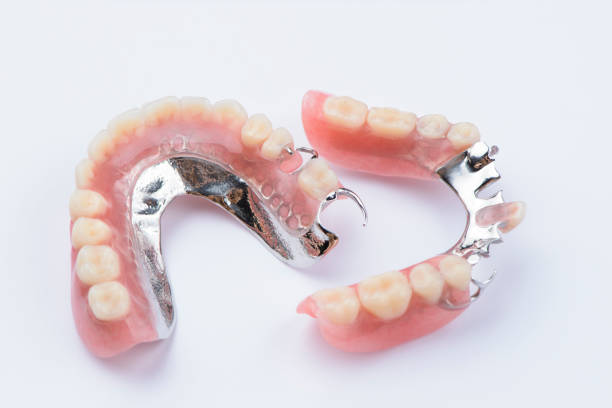
Acrylic full dentures are primarily made of:
- Acrylic Resin Base: Mimics the natural gum color and supports the artificial teeth.
- Artificial Teeth: Typically made from acrylic or porcelain, shaped to resemble natural teeth.
Advantages of Acrylic Full Dentures
- Lightweight: Easy to wear and adjust to.
- Cost-Effective: More affordable than metal-based dentures.
- Easy to Repair: If damaged, acrylic dentures can be repaired or adjusted easily.
- Aesthetic Appeal: Designed to look natural and improve facial structure.
Disadvantages
- Durability: More prone to breakage compared to metal-based alternatives.
- Bone Resorption: May require relining over time due to gum shrinkage.
- Maintenance: Requires regular cleaning and proper care to prevent staining and bacterial buildup.
Care and Maintenance
- Daily Cleaning: Use a soft brush and non-abrasive denture cleanser.
- Soaking: Keep dentures in water or a special solution overnight to maintain shape.
- Regular Check-ups: Visit a dentist periodically to ensure a proper fit and comfort.
Conclusion
Acrylic full dentures provide a functional and affordable solution for complete tooth loss. With proper care and periodic adjustments, they can significantly enhance oral health, comfort, and confidence.
এক্রাইলিক সম্পূর্ণ দাঁতের বিবরণ
এক্রাইলিক ফুল ডেনচার হলো সম্পূর্ণ কৃত্রিম দাঁতের একটি সেট, যা প্রধানত এক্রাইলিক রেজিন দ্বারা তৈরি করা হয়। এটি এমন ব্যক্তিদের জন্য ব্যবহার করা হয়, যাদের মুখে সমস্ত প্রাকৃতিক দাঁত নেই। এটি মুখের স্বাভাবিক কার্যক্রম যেমন চর্বণ, কথা বলা এবং চেহারার আকৃতি বজায় রাখতে সাহায্য করে।
গঠন ও উপাদান
এক্রাইলিক ফুল ডেনচার সাধারণত দুটি প্রধান অংশ নিয়ে গঠিত:
- এক্রাইলিক বেস (গাম বেস): এটি মাড়ির মতো দেখতে এবং কৃত্রিম দাঁতকে ধরে রাখে।
- কৃত্রিম দাঁত: সাধারণত এক্রাইলিক বা চীনামাটির তৈরি, যা প্রাকৃতিক দাঁতের মতো দেখায়।
এক্রাইলিক ফুল ডেনচারের সুবিধা
- হালকা ওজন: সহজে মানিয়ে নেওয়া যায়।
- সাশ্রয়ী: ধাতব ডেনচারের তুলনায় কম খরচে পাওয়া যায়।
- সহজ মেরামতযোগ্য: ভেঙে গেলে সহজে মেরামত করা সম্ভব।
- চেহারার সৌন্দর্য বজায় রাখে: মুখের আকৃতি ঠিক রাখতে সাহায্য করে।
অসুবিধা
- সহজে ভঙ্গুর: ধাতব ডেনচারের তুলনায় দ্রুত ভেঙে যেতে পারে।
- হাড়ের ক্ষয়: সময়ের সাথে সাথে মাড়ির আকৃতি পরিবর্তন হলে পুনরায় ফিট করাতে হতে পারে।
- নিয়মিত পরিষ্কার করা প্রয়োজন: দাগ ও ব্যাকটেরিয়া জমতে পারে।
রক্ষণাবেক্ষণ ও যত্ন
- প্রতিদিন নরম ব্রাশ ও ডেনচার ক্লিনার দিয়ে পরিষ্কার করতে হবে।
- রাতে পানিতে ভিজিয়ে রাখতে হবে, যাতে আকার ঠিক থাকে।
- নিয়মিত ডেন্টিস্টের কাছে গিয়ে ফিটিং পরীক্ষা করানো উচিত।
এক্রাইলিক ফুল ডেনচার সম্পূর্ণ দাঁত হারানো ব্যক্তিদের জন্য কার্যকর ও সাশ্রয়ী সমাধান। সঠিক যত্ন নিলে এটি দীর্ঘদিন ব্যবহার করা সম্ভব এবং এটি মুখের স্বাভাবিক কার্যকারিতা পুনরুদ্ধার করে আত্মবিশ্বাস বাড়াতে সহায়তা করে।
Location address of Acrylic Full Denture:
Advantage of Acrylic Full Denture:
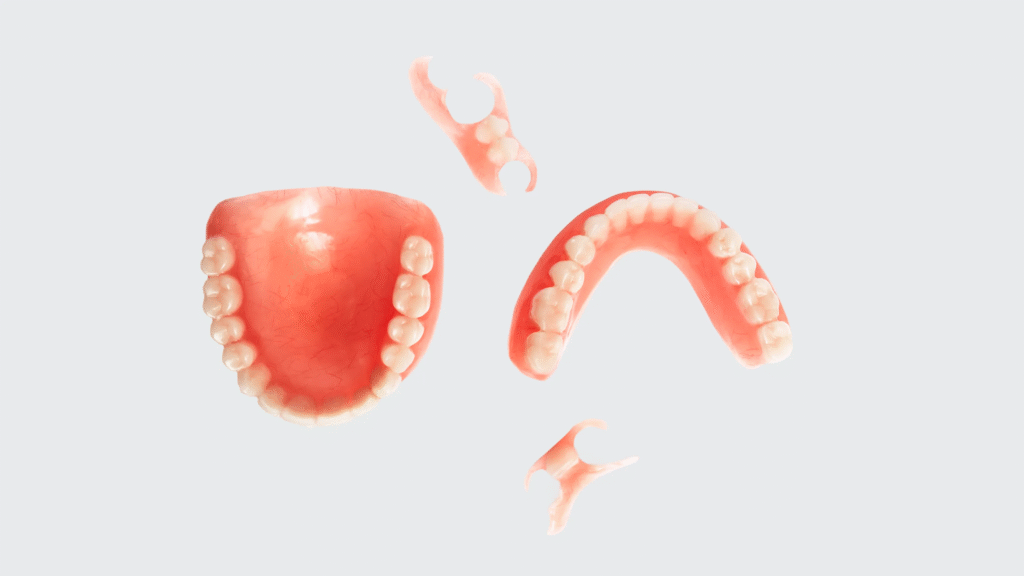
Acrylic full dentures are a popular and cost-effective solution for individuals who have lost all their natural teeth. They offer several advantages, making them a preferred choice among patients and dental professionals.
1. Affordability
Acrylic dentures are relatively inexpensive compared to other denture materials like metal or flexible dentures. This makes them an accessible option for many patients, especially those on a budget.
2. Ease of Fabrication and Adjustment
Acrylic dentures are easy to fabricate, repair, and adjust. If any modifications are required due to gum resorption or discomfort, dentists can easily make changes without requiring a complete replacement.
3. Lightweight and Comfortable
Modern acrylic dentures are designed to be lightweight, ensuring patient comfort. They provide a natural feel in the mouth, reducing irritation and improving speech.
4. Aesthetic Appeal
Acrylic material closely resembles natural gum tissue, enhancing the overall appearance. Additionally, artificial teeth used in acrylic dentures can be customized in size, shape, and color to provide a natural-looking smile.
5. Good Retention with Proper Fit
When properly designed and fitted, acrylic dentures provide good retention and stability, allowing patients to chew and speak efficiently. The material allows for an accurate fit to the gum surface, improving suction and reducing movement.
6. Biocompatibility and Safety
Acrylic is a biocompatible material, minimizing allergic reactions or sensitivities. This makes it a safe choice for long-term use in the oral cavity.
7. Easy Maintenance
Acrylic dentures are easy to clean and maintain. They do not require specialized cleaning solutions and can be cleaned using mild soap and water or denture cleansers.
In conclusion, acrylic full dentures are an affordable, aesthetic, and comfortable option for edentulous patients. Their ease of fabrication, repair, and maintenance makes them a practical choice for long-term use.
Disadvantage of Acrylic Full Denture:
Acrylic full dentures are a popular choice for replacing missing teeth due to their affordability and ease of fabrication. However, they also come with several disadvantages that may affect their functionality, comfort, and durability.
1. Fragility and Susceptibility to Breakage
Acrylic dentures, while lightweight, are not as strong as other materials like metal-based dentures. They can break or crack if dropped or subjected to excessive force while chewing hard foods.
2. Wearing and Deformation Over Time
Acrylic material wears down over time, leading to loss of shape and fit. This can result in discomfort, poor chewing efficiency, and the need for frequent adjustments or replacements.
3. Poor Fit and Stability
Compared to implant-supported or metal-based dentures, acrylic full dentures tend to have less stability. They may become loose, causing difficulty in speaking or eating, especially in cases of bone resorption where the jawbone changes shape over time.
4. Increased Thickness and Bulkiness
Acrylic dentures are generally thicker than metal alternatives, which can feel bulky in the mouth. Some users may find this uncomfortable, leading to difficulty in speaking and adapting to the dentures.
5. Higher Maintenance and Staining
Acrylic dentures require regular cleaning, as they are more prone to staining and plaque buildup. If not properly maintained, they can develop unpleasant odors and harbor bacteria, leading to oral hygiene issues.
6. Allergic Reactions and Irritations
Some individuals may have allergies or sensitivities to acrylic materials, resulting in gum irritation or discomfort. Additionally, prolonged use may cause sore spots due to friction against the gum tissue.
Despite these disadvantages, acrylic full dentures remain a viable option for many patients due to their affordability and ease of customization. However, proper care and regular dental check-ups are essential to maintaining their function and comfort.
Conclusion: Acrylic Full Denture – A Complete Dental Solution
Acrylic full denture is an important solution in modern dental treatment, widely used when all teeth in the mouth are lost. Tooth loss not only reduces chewing ability but also affects smiling, speech, and overall facial aesthetics. In this situation, an acrylic full denture helps restore oral functionality, boosts confidence, and assists the patient in returning to normal life.
This option is especially popular because it is relatively affordable, easily available, and simple to maintain. The use of high-quality acrylic material makes the denture lightweight, comfortable, and natural-looking. Since it is custom-made to fit properly, it adjusts well to the gums, reducing discomfort while eating and speaking. However, it does take some time to get used to, which is a normal process.
Another major advantage of an acrylic full denture is that it can be easily repaired or adjusted if needed. Due to aging or changes in gum structure, occasional relining may be required, which is simple and cost-effective.
However, there are some limitations. For example, it is not a permanent solution and may wear out after prolonged use. In addition, if not cleaned properly, it can lead to bad breath or oral infections. Therefore, maintaining cleanliness and following the dentist’s advice for regular checkups is essential.
In conclusion, an acrylic full denture is an effective and economical solution that restores a beautiful smile after tooth loss. With proper care, regular cleaning, and timely relining or replacement, it can remain durable and comfortable for a long time. For those who cannot opt for permanent implants or expensive alternatives, acrylic full dentures are undoubtedly a reliable choice.
উপসংহার: অ্যাক্রেলিক ফুল ডেনচার – সম্পূর্ণ দাঁতের সমাধান
অ্যাক্রেলিক ফুল ডেনচার আধুনিক ডেন্টাল চিকিৎসার একটি গুরুত্বপূর্ণ সমাধান, যা মুখে সব দাঁত হারানোর পর কার্যকরভাবে ব্যবহৃত হয়। দাঁত হারানোর কারণে শুধু চিবানোর ক্ষমতা কমে যায় না, বরং হাসি, কথা বলা এবং মুখের সৌন্দর্যও ক্ষতিগ্রস্ত হয়। এই অবস্থায় অ্যাক্রেলিক ফুল ডেনচার মুখের কার্যকারিতা ফিরিয়ে আনার পাশাপাশি আত্মবিশ্বাস বাড়ায় এবং রোগীকে স্বাভাবিক জীবনে ফিরতে সাহায্য করে।
এটি বিশেষভাবে জনপ্রিয় কারণ খরচ তুলনামূলকভাবে সাশ্রয়ী, সহজলভ্য এবং মেইনটেন করা যায়। উচ্চমানের অ্যাক্রেলিক উপাদান ব্যবহার করার ফলে ডেনচার হালকা, আরামদায়ক এবং দেখতে স্বাভাবিক হয়। সঠিক মাপ নিয়ে তৈরি করার কারণে এটি মাড়ির সঙ্গে ভালোভাবে ফিট হয়, ফলে খাওয়ার সময় ও কথা বলার সময় অসুবিধা কম হয়। তবে শুরুতে কিছুটা সময় লাগে অভ্যস্ত হতে, যা স্বাভাবিক প্রক্রিয়া।
অ্যাক্রেলিক ফুল ডেনচারের আরেকটি বড় সুবিধা হলো, প্রয়োজনে এটি সহজেই রিপেয়ার বা অ্যাডজাস্ট করা যায়। বয়স বৃদ্ধির কারণে বা মাড়ির গঠন পরিবর্তনের জন্য মাঝে মাঝে রিলাইনিং প্রয়োজন হয়, যা সহজ ও কম খরচে করা যায়।
তবে কিছু সীমাবদ্ধতাও রয়েছে। উদাহরণস্বরূপ, এটি স্থায়ী সমাধান নয় এবং দীর্ঘদিন ব্যবহারের পর ক্ষয় হতে পারে। এছাড়া, যদি সঠিকভাবে পরিষ্কার না করা হয়, তাহলে মুখে দুর্গন্ধ বা ইনফেকশনের ঝুঁকি থাকে। তাই নিয়মিত পরিষ্কার রাখা এবং ডেন্টিস্টের পরামর্শ অনুযায়ী চেকআপ করা অত্যন্ত জরুরি।
সবশেষে বলা যায়, অ্যাক্রেলিক ফুল ডেনচার এমন একটি কার্যকর ও অর্থনৈতিক সমাধান যা দাঁত হারানোর পর রোগীকে নতুন করে হাসি উপহার দেয়। সঠিক যত্ন, নিয়মিত পরিষ্কার এবং সময়মতো রিলাইন বা রিপ্লেসমেন্ট করলে এটি দীর্ঘদিন টেকসই ও আরামদায়কভাবে ব্যবহার করা সম্ভব। যারা স্থায়ী ইমপ্ল্যান্ট বা ব্যয়সাপেক্ষ সমাধান নিতে পারছেন না, তাদের জন্য অ্যাক্রেলিক ফুল ডেনচার নিঃসন্দেহে একটি নির্ভরযোগ্য পছন্দ।
